Chimney Sweep and Repair Across Three Centuries of Scotch Plains Homes
Chimney sweep and repair in Scotch Plains, NJ covers an unusually long stretch of history. Scottish settlers, many of them Quakers, began settling here as early as 1684, and the village grew as a stagecoach stop between New York and Philadelphia. The Stage House Inn has stood at the corner of Park Avenue and Front Street since 1737, and the Osborn Cannonball House across the street dates to the mid-1700s; local tradition says a stray cannonball struck it during the Battle of Short Hills in June 1777.
Most homes in town are much younger. Union County's municipal profile puts the share built before 1960 at roughly 46 percent, and about three quarters of the township's housing is single-family detached. The biggest building wave came after World War II, when new developments replaced farmland. 1stCall Emergency Chimney takes calls from every part of the township, at any hour, for chimneys of every age.
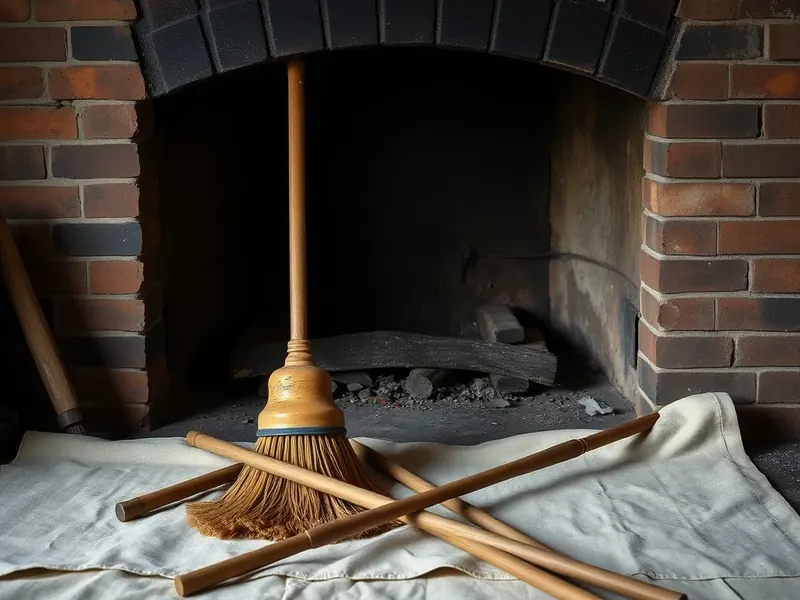
Colonial Houses on Front Street and Raritan Road
Scotch Plains still has a handful of eighteenth-century houses. The Elizabeth and Gershom Frazee House on Raritan Road, built around 1761 and listed on the National Register in 2009, is the best known. The township's oldest roads, Front Street, Park Avenue, Martine Avenue, Raritan Road and Westfield Road, follow trails once used by the Lenape, and the earliest surviving houses are scattered along them.
Chimneys in houses of that age were built for open hearths, not for modern heating, and they rarely match today's codes. Common concerns include:
- Timber framing that sits directly against the chimney masonry.
- Flues with no liner at all, or with a liner added decades ago that has since cracked.
- Fireboxes rebuilt more than once with mismatched brick and mortar.
- Soft old brick patched with hard cement, which traps water and makes the surrounding brick crumble.
A Level 2 inspection with a camera is the right starting point for any of these houses. From there, tuckpointing and chimney rebuilding with mortar suited to old brick protects the masonry without changing its character.
Postwar Neighborhoods Across the Township
Much of the chimney sweep and repair work in Scotch Plains today involves the houses that went up across the township in the 1950s and 1960s, which are now well past the age when their chimneys start asking for attention. A sixty-year-old masonry chimney has usually been through two or three roof replacements and hundreds of freeze-thaw cycles. What tends to fail first:
- The crown. A thin mortar cap cracks, and every rain then soaks the top courses of brick.
- The flashing. Roofers sometimes reuse old flashing or seal it with caulk alone, and the chimney starts leaking within a few seasons.
- The damper. Rusted, warped or stuck dampers waste heat all winter and can block smoke from leaving.
- The firebox joints. Mortar between firebricks erodes and should be repaired with heat-resistant refractory mortar.
Water stains on the ceiling beside the chimney usually trace back to the crown or the flashing, and chimney leak repair fixes the source rather than the symptom. A damper that will not close tightly is a job for fireplace damper repair, often with a top-sealing damper that doubles as a rain cover.
Below the Watchung Reservation, and Help at Any Hour
The north end of Scotch Plains climbs toward the Watchung Reservation, and houses there sit among woods on sloping lots. If a fireplace here smokes on gusty days, wind moving over the ridge and through tall trees may be pushing air back down a chimney that is too short for its surroundings. Leaves, nesting animals and falling limbs add to the list each year. Burning only dry, seasoned wood also helps a fireplace draw properly; the EPA's best wood-burning practices page explains how to tell when wood is ready.
For anything urgent, calls are answered 24/7. Route 22 crosses the township and I-78 runs just to the north, so Scotch Plains is a direct trip from Bernardsville. If there is fire at the chimney top or a carbon monoxide alarm, leave the house and call 911 first. Emergency chimney service handles what follows, from securing a storm-damaged chimney to a written estimate for permanent repairs.