Chimney Sweep and Repair for the Queen City's Older Homes
Chimney sweep and repair in Plainfield, NJ starts with the age of the city's houses. Plainfield became a township in 1847 and a city in 1869, and it grew quickly once the railroad linked it to Elizabethtown. Union County's municipal profile reports that about 62 percent of its homes were built before 1960. In 1886 a local newspaper publisher began promoting Plainfield's healthy climate as the Colorado of the East, and because Denver was known as the Queen City of the Plains, Plainfield became the Queen City.
Those decades left neighborhoods full of Victorian and early twentieth-century houses, from the Crescent Area to the Sleepy Hollow section on the city's northeast side, where many homes date from the first half of the 1900s. Houses of that era were often built with fireplaces in several rooms, and many of their flues now sit idle or vent a modern furnace. 1stCall Emergency Chimney answers 24/7 for all of them.
Tall Chimneys in the Historic Districts
Plainfield has several historic districts, each with its own character. The Van Wyck Brooks district, the largest, is known for brick Victorian homes and was added to the National Register in 1985. The Crescent Area was planned in the 1870s with Italianate and Second Empire houses, Hillside Avenue is lined with Colonial Revival, Queen Anne and Shingle Style homes from around 1900, and Netherwood Heights mixes late Victorian and Tudor Revival designs.
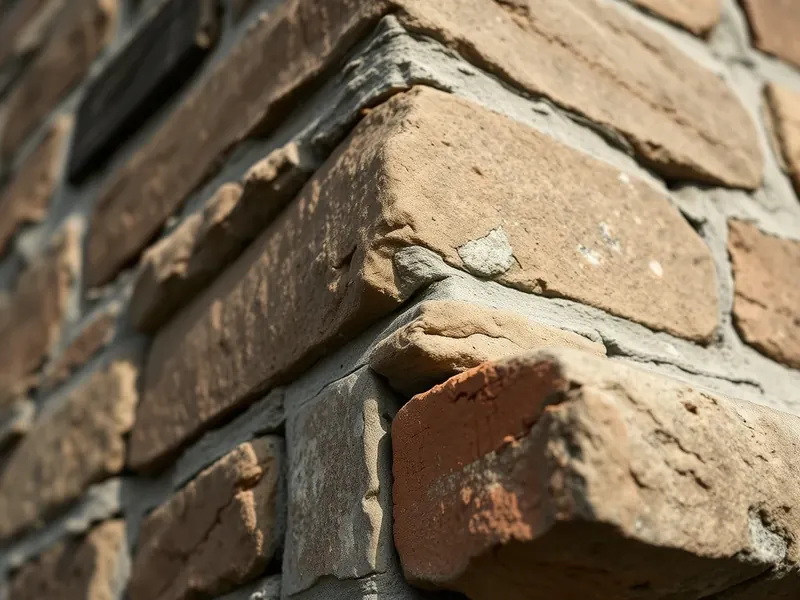
Chimneys on these houses often rise high above steep roofs and finish in decorative brick caps. That height and detail make them handsome, and also exposed. Freeze-thaw cycles loosen the projecting courses first, and once a few bricks shift, water reaches the flue. Rebuilding the top above the roofline, matching the original brick and mortar as closely as possible, is one of the most common chimney rebuild and tuckpointing jobs on these houses.
Plan for the city's review process. Owners in the locally designated districts apply to Plainfield's Historic Preservation Commission for a Certificate of Appropriateness before exterior work that needs a building permit and changes what can be seen from the street; in-kind repairs that keep the same materials and appearance are treated as ordinary maintenance. Photos and a written scope from the inspection make that application easier.
Two-Family Houses and Shared Heating Flues
A large share of Plainfield's housing is in two-family and multi-unit buildings. According to the county profile, about 16 percent of homes are in two-unit buildings and roughly a third are in buildings with three or more units. In an older two-family house, two furnaces and two water heaters may all depend on one chimney, sometimes through connections added decades apart.
That arrangement needs regular attention. A flue that is too small for everything connected to it, a connector pipe that has rusted through, or an old opening that was never sealed can let exhaust spill into one of the apartments. Because carbon monoxide has no smell, the people upstairs may never notice. A yearly chimney inspection checks each connection, the flue size and the liner, and separate liners for each appliance are a common fix. New Jersey also requires a smoke and carbon monoxide alarm compliance certificate from the town before a one- or two-family house is sold or rented to new occupants. The NFPA's carbon monoxide safety guidance explains where alarms belong.
Storm Damage and Emergency Calls Across the City
Plainfield's tree-lined streets and two parks designed by the Olmsted Brothers, Cedar Brook Park and Green Brook Park, give the city plenty of shade, and plenty of limbs that come down in nor'easters and summer storms. A falling branch can crack a crown, knock loose the top courses of a tall Victorian chimney or flatten a cap. Loose bricks on a roof are a hazard to anyone below, so keep people away from that side of the house until the chimney has been checked.
Calls for urgent chimney repair in Plainfield are answered day and night, and Route 22 and Route 28 make the city a direct trip from Bernardsville. If you see fire at the chimney top or a carbon monoxide alarm sounds, get everyone out and call 911 first. After that, a 24/7 emergency chimney service visit secures the chimney, documents the damage for your insurer and puts the permanent repair in writing before work begins.