Fall 2026 sweeps and inspections are booking now. Get on the schedule before the first Somerset Hills freeze. Call (973) 221-6730

24/7 Emergency ServiceBernardsville, NJ 07924

1stCallEmergency Chimney

Chimney Emergency or Can It Wait? A Check for Somerset Hills Homes

Eight short questions sort what you are seeing and hearing into four answers, from getting everyone out of the house to keeping the yearly inspection on the calendar.

Do you hear a loud roar, cracking or popping from the chimney, or see flames or sparks coming out of the top?
Do you smell gas anywhere in the house, or is a carbon monoxide alarm sounding?
Is smoke pouring into the room instead of going up the chimney?
Is water dripping or running in around the chimney or fireplace right now?
Do you hear an animal in the chimney, or see twigs or nesting material falling into the firebox?
Has a storm, fallen limb or lightning hit the chimney, or are bricks or pieces of the crown loose or missing?

Look from the yard, not from the roof or a ladder.

Is there a strong smoky or tar-like smell from the fireplace on days when it is not in use?
Has a professional inspected the chimney in the last 12 months?

This tool gives general guidance based on NFPA 211 and CSIA recommendations. It is not an inspection and cannot tell you that a chimney is safe. If you see fire, smoke you cannot control or smell gas, leave the house and call 911.

How the chimney emergency check works

Most calls we take at night start with the same question: is this an emergency, or can it wait until morning? The check above answers it with eight questions about what you can see, hear and smell from inside the house. Each answer points to one of four results, and the most serious one wins: get everyone out and call 911, stop using the fireplace and call us now, keep the fireplace cold until it has been inspected, or keep the yearly inspection on the calendar.

The questions follow published guidance rather than guesswork. The signs of a chimney fire come from the Chimney Safety Institute of America and the U.S. Fire Administration, and the yearly inspection comes from NFPA 211, the national standard for chimneys, fireplaces and vents. Anything that can hurt people, such as fire, gas or carbon monoxide, goes to 911 first, because the fire department is the right first call for those, not a chimney company.

The check cannot see inside your flue, so a calm result is not a clean bill of health. When it points you to a call, our emergency chimney service answers around the clock; when it points to an inspection, a chimney inspection will show what the questions could not.
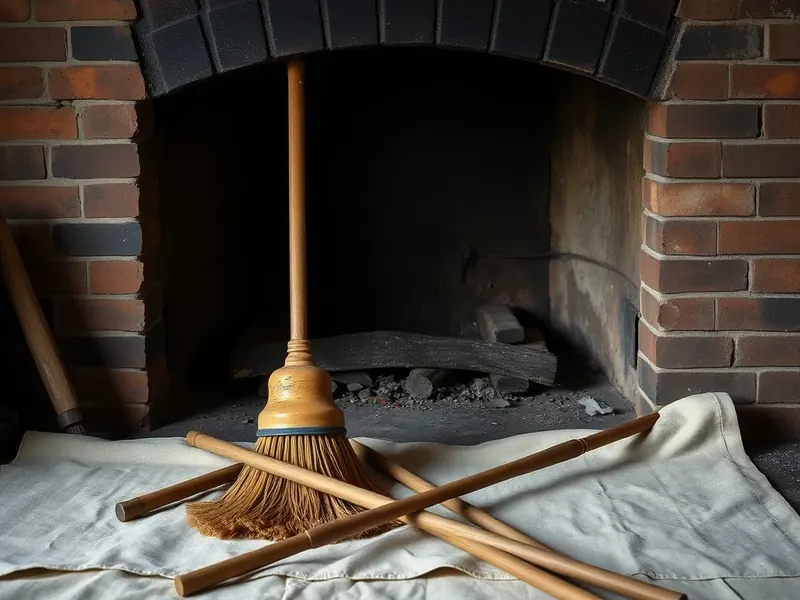
Chimney sweeping brushes and rods in front of a brick fireplace
Illustration (AI-generated).

Why Somerset Hills chimneys tend to act up on the worst nights

Chimney trouble in the Somerset Hills rarely waits for a quiet afternoon. Houses here sit on wooded lots under tall oaks and maples, so a wind or ice storm can send a limb onto a roof and knock a cap or crown loose in the dark. The same storms take down power lines, and a fireplace that was lit twice last winter suddenly becomes the main source of heat for a few days, which is when a nest, a cracked flue tile or a season of creosote finally makes itself known.

Many homes in Bernardsville, Far Hills and Peapack-Gladstone also have older stone or brick chimneys with several flues, some serving the fireplace and others the boiler or water heater. A problem in one flue can show up as smoke or an odor in a room far from the fireplace. If the check sends you to an inspection after a storm, our guide on chimney fires and storm damage explains what that visit looks at, and the chimney leak repair page covers water that keeps coming in.

Your result

What Each Result Means

Get everyone out of the house and call 911

Call 911

When everyone is safe, call us at (973) 221-6730.

What you describe can mean a chimney fire, a gas leak or carbon monoxide, and each of those is a job for the fire department first. Get everyone, pets included, outside now and call 911 from the yard or a neighbor's house. Do not open the fireplace doors, pour water into the firebox or go back inside for belongings.

If you smell gas, do not flip light switches, unplug anything or use a phone inside the house; once you are out, call 911 or your gas utility's emergency line. Once the responders have cleared the house, call 1stCall Emergency Chimney before anyone lights the fireplace or stove again if the problem started there, because heat and smoke can crack flue tiles in ways no one can see from the room.

Shown when you answer: Do you hear a loud roar, cracking or popping from the chimney, or see flames or sparks coming out of the top? Yes; Do you smell gas anywhere in the house, or is a carbon monoxide alarm sounding? Yes

Stop using the fireplace and call us now

Stop adding wood and let the fire burn down. Smoke spilling into the room, water coming in around the chimney, an animal in the flue and loose masonry after a storm all get worse overnight, which is exactly why 1stCall answers the phone around the clock.

Open a couple of windows if there is smoke in the room, keep children and pets away from the hearth, and if bricks or pieces of the crown have come down, stay clear of the ground below the chimney outside. When you call, tell us what you are seeing; we will walk you through the next steps and give you an arrival window.

Shown when you answer: Do you hear a loud roar, cracking or popping from the chimney, or see flames or sparks coming out of the top? Not sure; Is smoke pouring into the room instead of going up the chimney? Yes; Is water dripping or running in around the chimney or fireplace right now? Yes; Do you hear an animal in the chimney, or see twigs or nesting material falling into the firebox? Yes; Has a storm, fallen limb or lightning hit the chimney, or are bricks or pieces of the crown loose or missing? Yes

Call (973) 221-6730 nowRequest service

Keep the fireplace cold until it has been inspected

Nothing you described calls for an emergency visit tonight, but at least one answer points to something that should be checked before the next fire. A smoky or tar-like odor usually means creosote or a damp flue, storm damage you cannot judge from the yard can hide a cracked crown or flue, and a chimney that has gone more than a year without an inspection is overdue under NFPA 211.

Request an inspection below and mention your answers, and we will schedule a visit before you light the fireplace or stove again.

Shown when you answer: Has a storm, fallen limb or lightning hit the chimney, or are bricks or pieces of the crown loose or missing? Not sure; Is there a strong smoky or tar-like smell from the fireplace on days when it is not in use? Yes; Has a professional inspected the chimney in the last 12 months? No or Not sure

Request service(973) 221-6730

Keep the yearly inspection on the calendar

Your answers do not point to an emergency or to a problem that needs a visit before the next fire. The way to keep it that way is the yearly inspection NFPA 211 calls for on every chimney, fireplace and vent, and in the Somerset Hills the best time for it is before the first cold snap and the first storm outage put the fireplace to heavy use.

If anything changes, such as a new smell, smoke in the room or damage after a storm, run this check again or call us at any hour.

Shown when none of your answers points to a result listed above.

Request service(973) 221-6730

FAQ

Questions Bernardsville Homeowners Ask

Can I keep using my fireplace while I wait for the chimney technician?

Not if the check pointed you to a call or an inspection. Smoke in the room, a smoky odor, storm damage or an animal in the flue are all reasons to keep the fireplace cold until someone has looked at the chimney. Use another heat source in the meantime and tell us what you noticed when you call or book.

What should I do if the carbon monoxide alarm goes off while the fireplace is lit?

Get everyone outside into fresh air and call 911 from outside. Carbon monoxide has no color or smell, so the alarm is the only warning you get, and a headache, dizziness or nausea are reasons to get medical help. Do not go back in to check the fireplace. Once responders have cleared the house, have the chimney and every appliance venting into it inspected before they are used again.

Is a chimney leak during a storm an emergency?

Water coming in around a chimney is urgent rather than dangerous to people, but it does not wait well. It soaks ceilings and insulation, rusts the damper and, once temperatures drop below freezing, widens cracks in the crown and mortar. Put a bucket under the drip, move furniture away and call us. A temporary cover can often stop active water until the weather clears and the repair can be made.

Why does the check ask when the chimney was last inspected?

Because NFPA 211, the national standard for chimneys, fireplaces and vents, calls for an inspection at least once a year whether or not anything seems wrong. Creosote, cracked tiles and blocked flues often give no warning until the first heavy fire of the season, so a chimney that has gone longer than a year should be looked at before it is used again.

Does this check replace a chimney inspection?

No. It sorts the things you can see, hear and smell from inside the house so you know how quickly to act. Cracked flue tiles, creosote glaze, gaps in the liner and a deteriorating crown are usually invisible from the room, and only an inspection of the flue and the chimney exterior can find them.

24/7 Emergency Service

Chimney Emergency in Bernardsville? Call Now.

Smoke pouring into the room, a roaring sound in the flue, water coming through the ceiling or an animal trapped in the chimney - call any time, day or night. For routine service, send the form and we'll call you back.

Call (973) 221-6730
  • Open 24 Hours, 7 Days
  • 35 Quimby Ln, Bernardsville, NJ 07924

Request chimney service

For emergencies, please call (973) 221-6730 - we answer 24/7.
Call NowRequest Service