Chimney Sweep and Repair for South Plainfield's Postwar Homes
Chimney sweep and repair in South Plainfield, NJ is mostly about houses from a single building boom. The borough split from Piscataway Township in 1926 as a railroad and factory town: the Lehigh Valley Railroad kept a storage yard and repair shop here, Spicer Manufacturing built a plant near the station in 1913, and in 1924 an airfield opened on John Hadley's farm, chiefly to serve the U.S. Postal Service. Farms still covered much of the land until World War II. The borough's own history records that the Geary farm on Plainfield Avenue became the Geary Park development after the war, and that new subdivisions then spread across the north side of town.
The census shows how fast it happened. South Plainfield had 5,379 residents in 1940, about 8,000 in 1950 and 17,879 in 1960. The Census Bureau's American Community Survey for 2020 through 2024 dates roughly 31 percent of the borough's homes to the 1950s alone, and more than half to the years between 1940 and 1969. 1stCall Emergency Chimney takes calls day and night about those chimneys, many of which have now come through roughly seventy New Jersey winters.
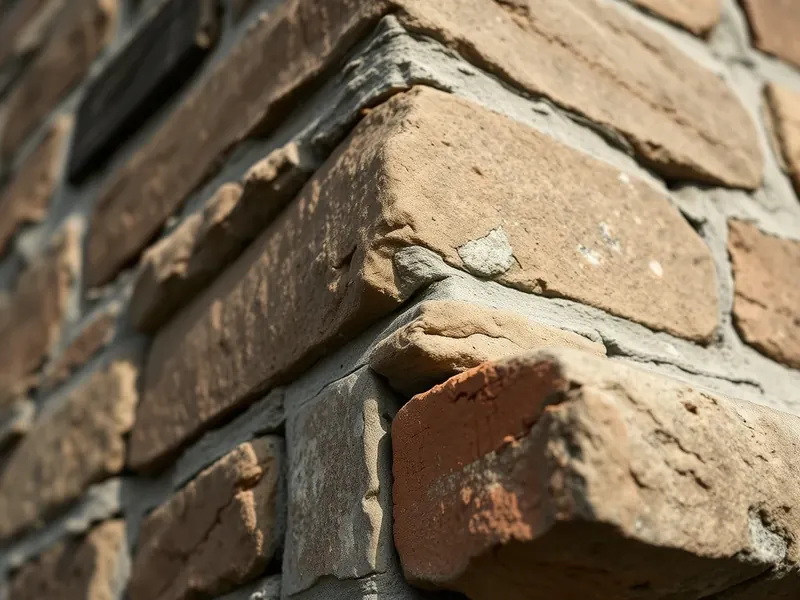
What Seven Decades Do to a Masonry Chimney
A chimney built in the 1950s is usually brick outside with square clay flue tiles inside, often with two flues: one for the living room fireplace and one for the furnace and water heater. The parts age at different speeds, and most of the wear happens where nobody looks.
- The crown. The slab at the top was often poured thin. Hairline cracks let rain into the brick, and every freeze opens them a little wider.
- Flue tile joints. Mortar between the clay tiles erodes and tiles crack from heat, leaving gaps where exhaust and creosote can reach the brick.
- Flashing. After two or three new roofs, the metal where the chimney meets the shingles is often patched with sealant instead of being properly counter-flashed.
- Damper and smoke chamber. Cast iron dampers rust and stick, and rough parging in the smoke chamber flakes off onto the firebox floor.
An NFPA 211 chimney inspection sorts these out flue by flue, with a camera whenever the tiles cannot be seen clearly from either end. A cracked crown is usually first on the repair list, and chimney cap and crown repair stops rain from soaking the stack before the brick faces start to flake.
Gas Furnaces, Water Heaters and the Flue They Share
The same census estimates show about 84 percent of South Plainfield households heating with utility gas. Gas burns cleaner than oil or wood, but its exhaust carries a lot of water vapor. In a tall, oversized masonry flue, especially one on an outside wall, that vapor can cool, condense and slowly attack the mortar joints and tiles from the inside. Warning signs include white staining on the outside brick, rust flakes at the base of the flue and a water heater that spills warm air at its draft hood.
The best time to deal with it is when a furnace or water heater is replaced. New Jersey's chimney verification form for replacement fuel-fired equipment asks for confirmation that the chimney or vent is in good repair, clear of obstruction, substantially clean of residue from any earlier oil or solid fuel use where that applies, and lined and sized correctly for whatever is being connected. A high-efficiency furnace often vents through the wall with plastic pipe and leaves the water heater alone in a flue built for far more exhaust, and a properly sized stainless steel chimney liner is the usual fix. Under New Jersey's fire code, a house with a gas, oil or wood-burning appliance or an attached garage needs carbon monoxide alarms near the bedrooms, a rule that reaches most homes in a borough heated largely by gas.
Older Houses From the Samptown and New Brooklyn Days
Long before the subdivisions, two small hamlets stood here. Samptown grew up in the mid-1700s where Sampton and Clinton Avenues now meet, on the main road between Elizabeth and New Brunswick, and a tavern for travelers opened on today's Sampton Avenue late in that century. Brooklyn, later New Brooklyn, formed around Front Street and South Plainfield Avenue, home to families of the men who worked the mills on the Bound Brook. Census estimates count fewer than 5 percent of today's homes as built before 1940, so these older chimneys are scattered around town, and they need a different approach: flues that are unlined or only partly lined, soft brick and lime mortar, and framing set close to the masonry. A camera inspection comes first, and tuckpointing and rebuilding with a mortar no harder than the original brick protects what is left.
When the Chimney Cannot Wait
Calls are answered 24/7, and South Plainfield is a straightforward trip from Bernardsville at any hour. Fire at the chimney top, a roaring sound in the flue or a carbon monoxide alarm means everyone leaves the house and someone dials 911 from outside. After that, emergency chimney service covers an inspection of the damage, temporary protection against rain and a written plan for the repair. For routine chimney cleaning in South Plainfield, aim for August or September, when there is still time to fix whatever the inspection finds before the first cold night sends the whole borough to the thermostat and the fireplace at once.