What Pre-1980 Chimneys Here Typically Need
Most older houses here belong to a few broad building eras, and each era tends to wear out in its own way.
Before the Second World War
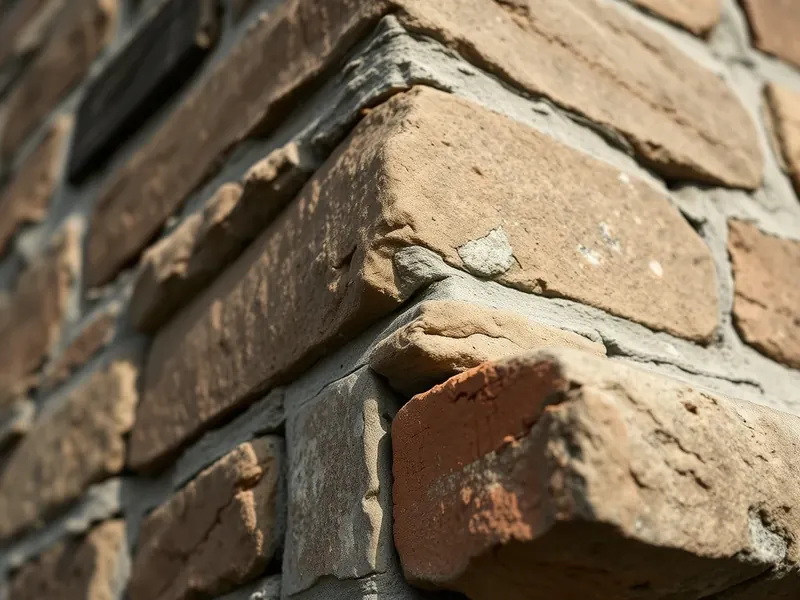
Houses from this period often have solid brick or stone chimneys laid in soft lime mortar, sometimes with several flues in one stack and sometimes with no liner at all. Repointing that masonry with hard modern cement can trap moisture and make the old brick spall, so new mortar should match the original. An unlined or badly cracked flue is usually relined in stainless steel, with a system listed to UL 1777, before it carries smoke again.
The postwar decades
Cape Cods, ranches, split-levels and colonials built in the 1950s, 1960s and 1970s often have one masonry chimney holding a fireplace flue beside a heating flue that the boiler or furnace shares with the water heater. Open tile joints or a crack in the masonry between the two let exhaust drift across. The heating flue is the one owners forget, because it never shows a flame, so have it checked whenever the boiler or water heater is replaced; a correctly sized chimney liner is the common fix.
Highlands winters and wood heat
Bernardsville, Mount Olive and both Mendham and Chester, borough and township alike, lie in the New Jersey Highlands, a region of 88 municipalities in seven counties, where winter after winter of freezing and thawing pries at crowns and the top courses of brick. Several of the Highlands towns in the table also stand out in the oil-or-wood column, and where that column runs high, more chimneys work hard all winter, leaving more soot or creosote to sweep and more reason to keep the cap and crown in good repair.
A Homeowner Checklist for an Older House
- Write down what vents into each flue: fireplace, wood stove, boiler, furnace, water heater. In many older houses one stack serves several of them.
- Have the whole system inspected once a year to NFPA 211, and request the deeper Level 2 inspection, camera included, after a chimney fire, a change of appliance or fuel, or a change of owner.
- Each spring, scan the top of the chimney with binoculars for a cracked crown, a missing cap, loose brick or white staining.
- Indoors, watch for tile flakes in the firebox or cleanout, water marks beside the chimney breast and a damper that sticks or leaks cold air.
- Open the damper before lighting a fire and shut it only after the ashes have cooled completely, following the Consumer Product Safety Commission's advice.
- Keep carbon monoxide alarms working. New Jersey's code calls for them in the immediate vicinity of each sleeping area when a home contains a fuel burning appliance or has an attached garage.
The Somerset Hills winter chimney checklist covers the same ground month by month.
How to Use and Cite This Table
The figures are the U.S. Census Bureau's American Community Survey 5-year estimates, which pool sixty months of responses; the Bureau calls them its most reliable ACS product and the only one published for areas of every size, though also the least current. Each comes from a sample and carries a published margin of error, so read the rows for small boroughs as approximate and do not make much of narrow gaps between towns.
The older-homes count takes in one-unit houses, detached or attached, that their owners occupy, built in the Census ranges 1939 or earlier, 1940 to 1959 and 1960 to 1979; rentals and apartment buildings are not in it. The heating column is a share of all occupied homes, renters included, and its fuel oil also covers kerosene. Where the Census uses another name, as with Basking Ridge, whose figures cover all of Bernards Township, the table notes it, and a name that fits both a borough and a township is left out rather than guessed.
Reuse, print or chart the compiled table and its CSV download under the Creative Commons Attribution 4.0 license, crediting 1stCall Emergency Chimney with a link to this page; the Census data itself is public domain. Before setting a newer edition beside this one, see the Census Bureau's guidance on comparing ACS data, which warns against comparing overlapping 5-year periods.