Short answer
Book the yearly chimney sweep and inspection for September or early October, then check the crown, cap and mortar from the yard and the dampers, firebox and alarms indoors. Until spring, watch for the freeze-thaw signs older Somerset Hills chimneys show: crumbs of masonry in the gutters, new water stains beside the chimney and ice on its face. A cracked crown or damaged cap is far easier to deal with in October than in February.
Why Winter Is Hard on Somerset Hills Chimneys
Bernardsville, Bernards Township, Bedminster, Far Hills and Peapack-Gladstone all lie within New Jersey's Highlands Region. Many of the older houses here were built long before modern chimney standards: farmhouses enlarged over generations, village houses near the historic stations of the Gladstone Branch, and the country estates that industrialists and financiers put up in the late 1800s and early 1900s. Those houses tend to have tall, heavy chimneys of fieldstone or soft brick, often holding several flues, fully exposed above the roofline all winter.
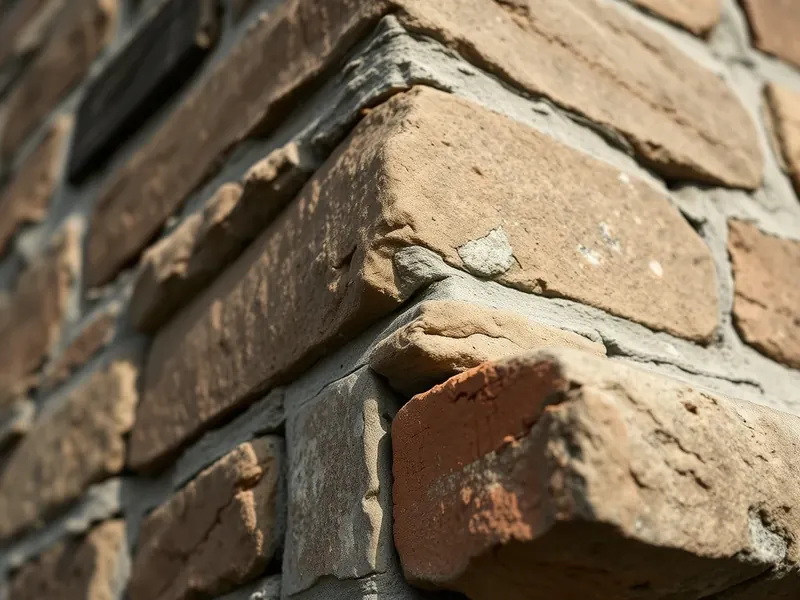
The real enemy is water that soaks into the masonry and then freezes. Ice takes up roughly 9 percent more room than the water it came from, so moisture caught in a hairline crack or a porous brick face pries the material apart at every freeze, then lets in more water during the next thaw. A whole season of those cycles can turn a small crack in a crown into loose concrete. This checklist catches that damage early and gets each flue ready for its hardest months.
Fall: Book the Sweep and Inspection Before You Need Heat
Across northern New Jersey the first freeze of the fall usually arrives sometime in October, and that is when calls for chimney work pile up. Booking in September or early October gives you a wider choice of dates and time to finish any repair the technician finds before the fireplace has to carry real heating duty. A yearly inspection is the baseline in NFPA 211, and the U.S. Fire Administration puts it plainly for homeowners: have the chimney inspected and cleaned by a professional once a year.
When you call, a few details make the visit more useful:
- List every fuel-burning appliance in the house: fireplaces, wood or pellet stoves, the oil or gas boiler and the water heater. In older Somerset Hills houses a single stack may serve three or four of them.
- Mention flues nobody has used in years. An idle flue in a guest wing, a pool house or a converted carriage house is exactly where nests and fallen debris hide.
- Say whether you switched fuels or replaced a boiler, furnace or stove with a different type, bought the house since the chimney was last inspected, or had a storm drop branches on the roof. NFPA 211 ties each of those to a Level 2 inspection with a camera.
Our chimney cleaning and NFPA 211 chimney inspection can be handled in a single visit.
From the Yard: Check the Top of the Chimney
Skip the ladder: on the steep slate and cedar roofs of many Somerset Hills houses it is not worth the risk. On a clear day after the leaves have dropped, stand back far enough to see the top of the stack and use binoculars or a phone camera's zoom.
- The crown. The concrete or stone slab around the flue tiles should be whole. Dark crack lines, broken corners or chunks resting on the roof below mean water is already finding its way in.
- The cap. It should sit square over the flue with its screen intact. A cap knocked sideways by a branch, or a screen matted with oak leaves, needs attention before the first fire.
- Joints and brick faces. Look for mortar joints sunk deeper than the brick beside them, brick faces that have flaked away, and stones working loose on fieldstone chimneys.
- White staining. A chalky bloom on brick shows that water is moving through the masonry.
- The line of the stack. Compare the chimney with a corner of the house. Any lean, or a gap opening where it meets the wall, needs a professional look soon.
A cracked crown or a damaged cap is a typical find from this quick look, and either one is far easier to deal with in October than in February. Our cap and crown repair work is aimed at stopping winter water at the very top.
Indoors: Dampers, Fireboxes and Alarms
Inside, check each fireplace and stove in turn.
- Open and close each damper all the way. It should move freely and seal when shut. Rust flakes or water marks on the hearth point to a leak somewhere above.
- Run a flashlight around the firebox. Firebrick with wide cracks or missing joints should be repaired before the season starts, not halfway through it.
- Make sure glass doors close properly and that every open fireplace has a metal or glass screen in front of it to stop sparks and embers.
- Clear a 3-foot zone around each fireplace and stove of anything that can burn, including kindling, log baskets, rugs and holiday decorations.
- Test the smoke alarms and carbon monoxide alarms and replace batteries in any that are not sealed units. CO alarms belong on every level of the house and outside the sleeping areas.
The alarms matter in houses like these. A large Somerset Hills house often has a fireplace, a boiler and a water heater venting through separate flues in one old chimney, and a blocked or cracked flue can send carbon monoxide into rooms nowhere near the hearth. The U.S. Fire Administration's fireplace and wood stove safety card sums up these basics on a single page.
Firewood and Ash Habits for a Wooded Somerset Hills Lot
On a wooded Somerset Hills lot, the woodpile often starts with the property's own trees, including limbs brought down by storms. It makes good fuel once it is dry and a creosote problem until then. Wood from a limb that came down this summer is rarely ready by December, so split it, stack it off the ground with the top covered and the sides open, and save it for next winter.
- Keep the main woodpile away from the house walls and bring in only a day or two of wood at a time.
- Shovel ashes into a metal container with a lid and set it outside, at least 10 feet from the house, deck and garage. Ashes can hold live embers long after the fire looks dead, so never use a paper bag or a plastic bin.
- Burn wood only. The U.S. Fire Administration advises against burning paper in a fireplace or stove, and wrapping paper, cardboard boxes and dried holiday greens flare fast and send sparks up the flue.
Midwinter and the Thaw: Freeze-Thaw Warning Signs
Freeze-thaw damage builds in stages, and the late-winter thaw is usually when it becomes visible. Every few weeks from January through March, and after any heavy snow or ice storm, look for:
- Pieces of brick, crumbs of mortar or bits of concrete in the gutters, on the roof below the chimney or in the planting beds at its base.
- Fresh water stains on ceilings or walls beside the chimney, or a damp, musty smell from the fireplace after a thaw.
- Ice sheets or icicles on the face of the chimney, a sign that water is running down the masonry and refreezing.
- A damper that suddenly sticks, or a fireplace that begins to smoke into the room.
Snow lingers longest on the shaded north faces of chimneys, so give those sides a closer look, especially on the higher ground around Bernardsville Mountain. Most masonry repairs need above-freezing weather to cure, so a crack found in February is often covered as a stopgap and repaired properly in spring. What should not wait is anything involving the flue itself: fragments of tile in the firebox, smoke in the room or a cap that has blown away.
When the Checklist Finds Something Urgent
Most of what this list turns up can be scheduled. A few findings cannot. If a carbon monoxide alarm sounds or smoke is spreading through the house, get everyone outside and call 911 before anything else. A chimney that has started to lean, a limb resting against the stack or signs that a chimney fire has already happened cannot wait either: keep people away from the base of the chimney, leave the fireplace unused and call. 1stCall Emergency Chimney answers around the clock for those situations anywhere in the Somerset Hills. Our guide on what to do after a chimney fire or storm damage covers the first steps, and if anything on this checklist worries you, contact us and we will tell you honestly whether it can wait until spring.