Short answer
In a chimney fire, get everyone outside and call 911, closing the fireplace doors or stove air controls only if you can on the way out. After a storm, keep clear of downed wires, the roof and the base of the chimney. In both cases, light no fire on that chimney until it has had a Level 2 inspection, which NFPA 211 calls for after a chimney fire or storm damage.
If You Suspect a Chimney Fire, Call 911 First
A chimney fire is creosote burning inside the flue, and it can reach extreme temperatures very quickly. The Chimney Safety Institute of America lists the usual signs as loud cracking and popping, a lot of dense smoke and an intense, hot smell, and many homeowners describe a deep rumble like a freight train or a low-flying plane. CSIA notes that most chimney fires go unnoticed, and a loud one can fall silent while the flue is still dangerously hot, so follow the steps below even if the noise stops.
- Get everyone outside, pets included, and call 911 once you are out of the house. Do not wait to see whether the fire dies down on its own.
- Only if you can do it on the way out, close the fireplace glass doors, or the stove door and its air controls. Starving the fire of air slows it down.
- Stay off the roof and do not try to fight the fire. Leave the flue to the firefighters. Do not pour water into the firebox or up the flue; sudden cooling can crack hot tiles.
- Help the engines find the house. Many Somerset Hills homes sit at the end of long, wooded drives where a house number is hard to spot at night. Switch on outdoor lights if that is safe, and send one adult with a flashlight to the end of the driveway, well off the road, to wave the trucks in.
- Tell the dispatcher it is a chimney fire, and mention any other fireplace, stove or boiler that vents into the same chimney.
After the Fire Department Leaves
Once the fire is out and the firefighters have cleared the scene, the chimney itself still needs attention. The heat of a chimney fire can crack clay flue tiles, open mortar joints and warp metal parts even when the fireplace looks normal from the room.
- Do not light the fireplace or stove again, not even a small fire, until the flue has been checked. CSIA advises against using the chimney until it has been swept and evaluated by a qualified professional.
- Once the firebox is completely cold, keep the damper and fireplace doors closed; never shut the damper over hot ashes, which can push carbon monoxide into the room. Over the next day, check the rooms and attic around the chimney for any smoke smell or warm spots, and if you find either, call 911 again.
- Report the fire to your homeowners insurance company, and take your own photos of the fireplace, the roof and any smoke staining before anything is cleaned.
- Leave flaky creosote, broken tile pieces and other debris in the firebox where they fell. They help show what happened inside the flue.
On the big multi-flue stacks of older Somerset Hills estate houses, ask for every flue in the chimney to be checked, not only the one that burned. Our page on chimney fire damage repair explains the repair side, and CSIA's advice for homeowners after a chimney fire covers the same ground from the industry's point of view.
When a Storm Brings Limbs Down on the Roof
The Somerset Hills are heavily wooded, and that canopy does the damage when a major storm rolls through. In March 2018, three nor'easters hit New Jersey in close succession, each bringing heavy wet snow and strong wind gusts onto ground already soaked by a wet winter. The state Board of Public Utilities found that most outages from the first storm came from trees bringing down power lines, with the heaviest concentration in tree-covered counties such as neighboring Morris and Hunterdon, and that restoring power after the first two storms took as long as 11 days for some customers. Four days after that first storm, close to a thousand Bernardsville customers were still without power.
If a limb hits the house, work through these steps once the wind has eased:
- Look for wires first. Treat any line tangled in fallen branches as live, keep everyone well away from it and report it to the utility or 911.
- Keep clear of the roof and the base of the chimney. Wet snow, ice and loosened masonry make the area around a damaged stack dangerous.
- Scan the stack from a safe distance. Is the cap still on? Are bricks or stones missing at the top? Does the chimney still line up with the wall of the house?
- Look inside too. Check the firebox for fallen mortar, tile chips or twigs, and watch nearby ceilings and walls for new water stains.
- Hold off on any fire in a fireplace or stove connected to that chimney until it has been checked, even with the power out.
A limb resting on the chimney, or a stack that has visibly shifted, is an emergency. Our 24/7 emergency chimney service can secure the chimney and cover open flues until a permanent repair is possible.
Heating With Wood While the Power Is Out
In a long outage, a fireplace or wood stove may run from morning to night for most of a week, and that is when hidden chimney problems surface. Fires left smoldering with the air turned down build creosote fast. Fires built oversized to warm a cold house can overheat the firebox and flue. And families who seldom light the fireplace suddenly depend on a chimney that may hold a nest or a summer's worth of leaves. Long outages like those of March 2018 bring exactly that combination.
- Rely only on a fireplace or stove whose chimney was inspected this season and was nowhere near the storm damage.
- Burn small, hot fires of dry, split hardwood, adding a few pieces at a time instead of packing the firebox.
- Never burn cardboard, wrapping paper or painted and treated lumber from the storm cleanup.
- Put the fire out before the household goes to sleep, as the U.S. Fire Administration advises. If the house gets too cold to sleep in safely, ask the town about warming centers.
- Keep carbon monoxide alarms with battery backup working on every level. Run a portable generator outdoors only, at least 20 feet from windows, doors and attached garages, as Ready.gov's power outage guidance advises, and never use a gas oven or range to heat the house.
Why a Level 2 Inspection Comes Next
NFPA 211, the fire-safety standard covering chimneys and vents, sets out three levels of chimney inspection. The level it calls for after a chimney fire, a weather event or any other incident likely to have damaged the chimney is Level 2. That inspection includes everything in a routine yearly check plus a video scan of the flue interior and a look at the accessible parts of the attic, basement and crawl space that the chimney passes through.
The camera is the important part, because both kinds of damage tend to hide. A chimney fire cracks tiles from the inside, and a limb strike can shift tiles or open joints well below the roofline without leaving a mark on the outside. On the tall estate chimneys of Bernardsville, Far Hills and Peapack-Gladstone, a crack in one flue can let smoke and gases leak into the flue beside it. The written report and photos also give your insurance adjuster a dated record of the damage. 1stCall Emergency Chimney performs Level 2 chimney inspections that follow NFPA 211, with photos you keep.
Getting Ahead of the Next Storm or Fire
Most chimney emergencies in the Somerset Hills are easier to prevent than to repair:
- Have an arborist look at large limbs hanging over the roof near the chimney, particularly old oaks and maples that have already dropped branches in past storms.
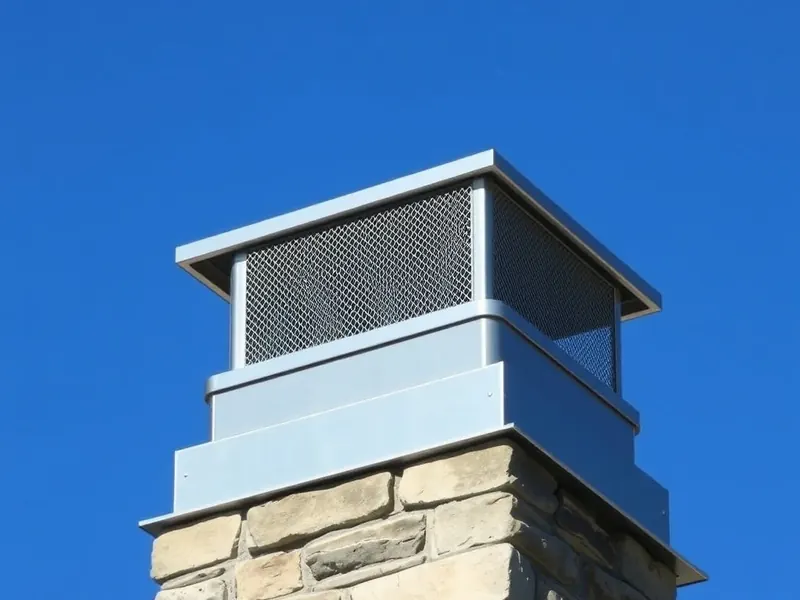
- Keep a sound, screened cap on every flue so wind and rain cannot pack it with leaves and twigs before an outage.
- Stack dry, seasoned firewood well ahead of the storm season, so there is no temptation to burn green wood when the power fails.
- Learn where the air controls are on every fireplace and stove, and how to close them quickly.
- Keep fresh batteries on hand for every carbon monoxide and smoke alarm, and make sure everyone in the house knows two ways out.
For the routine side of chimney care, see our winter chimney checklist for Somerset Hills homes.