Three Levels of Chimney Inspection Under NFPA 211
NFPA 211, the national standard for chimneys, fireplaces and vents, calls for a chimney inspection at least once a year and defines three levels of inspection, each suited to a different situation. 1stCall Emergency Chimney performs all three in Bernardsville and the surrounding Somerset Hills towns.
- Level 1 is the annual check for a chimney in regular use that has not changed. We examine the readily accessible parts of the chimney exterior and interior, the firebox, damper and connections, and confirm the flue is free of obstructions and combustible deposits.
- Level 2 adds a video scan of the entire flue, plus attic, crawl space and roof checks where accessible. NFPA 211 calls for it when a property is sold, when an appliance or fuel type changes, and after a chimney fire, a storm or any other event that could have damaged the system.
- Level 3 is reserved for cases where a hidden hazard is suspected and cannot be confirmed any other way. It can involve removing part of the chimney or an adjoining wall, and we only recommend it when the evidence justifies it.
For most homeowners, the annual Level 1 inspection pairs naturally with a chimney sweep before the heating season.
Buying or Selling a Home in Bernardsville
Homes in Bernardsville often come with more chimney than a general home inspection can evaluate. A home inspector will note visible cracks and confirm the damper opens, but will not usually run a camera through a tall stone chimney serving several fireplaces on Bernardsville Mountain. That is where a Level 2 inspection earns its keep. Buyers learn whether the flues are lined, intact and properly sized before they commit, and sellers can address problems on their own schedule instead of in the middle of a negotiation.
Keep in mind that the certificate New Jersey requires before a one- or two-family home is sold or leased covers smoke alarms, carbon monoxide alarms and a portable fire extinguisher. It does not evaluate the condition of the chimney or the flue. Whether you are buying in Bernardsville, Basking Ridge or Bedminster, a separate chimney inspection is the only way to know what you are getting.
Why Century-Old Chimneys Need a Closer Look
Many chimneys in Bernardsville have outlived several generations of heating equipment. A stack built for wood or coal around 1900 may since have served an oil burner and then a gas boiler, with new equipment vented into a flue that was never sized for it. Additions and renovations sometimes enclosed chimneys inside walls, and flues abandoned years ago can still be open at the top. None of that is visible from the living room.
A thorough inspection maps every flue, identifies which appliance uses which one, and checks that each is lined, sized and in good repair. That matters because New Jersey's construction code process includes a chimney verification form when a fuel-fired appliance such as a boiler, furnace or water heater is replaced. The form confirms the chimney is clear, in good repair, and appropriately lined and sized for the new equipment. If your heating contractor is planning a replacement, an inspection ahead of time avoids surprises on installation day, and if the flue needs work, our chimney liner installation team can take care of it.
What We Check From the Hearth to the Chimney Top
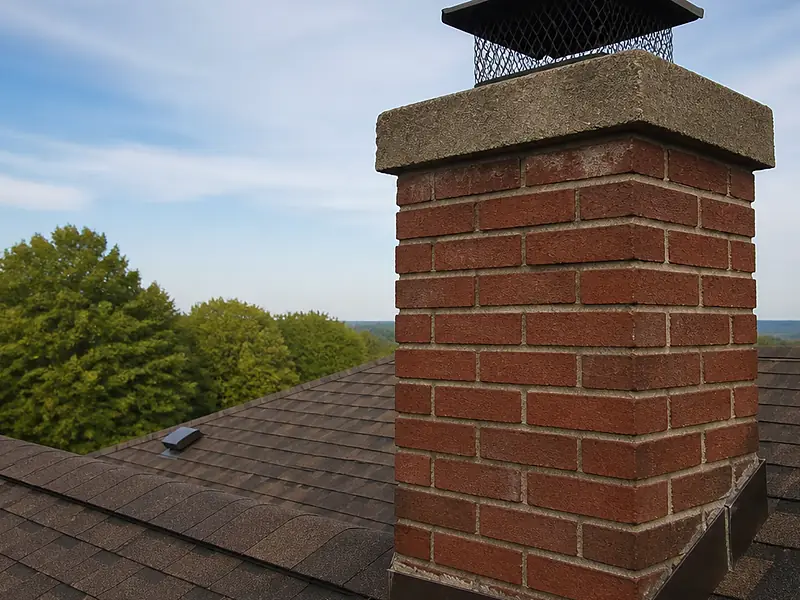
- Chimney top: the cap, the crown, the ends of the flue tiles, and any sign that raccoons, squirrels or birds from the surrounding woods have been getting in.
- Exterior masonry: cracked or spalling brick, eroded mortar joints, and stones loosened by years of northern New Jersey freeze-thaw cycles.
- Flashing and roof junction: the seal between the chimney and the roof, where most leaks begin.
- Flue interior: cracks, gaps, missing mortar, creosote buildup and obstructions, recorded on video.
- Smoke chamber and damper: parging, rust, warping and whether the damper still seals.
- Firebox and hearth: cracked firebrick, gaps in the refractory mortar, and hearth extension size.
- Clearances: the space between the chimney and nearby wood framing, checked from the attic or basement where accessible.
- Appliance connections: connector pipes from boilers, furnaces, water heaters and wood stoves.
Your Inspection Report and Next Steps
After the inspection, you receive a written report with photos and camera stills, a plain-language description of each finding, and recommendations sorted by urgency: what should be fixed before the next fire, what can wait until spring, and what simply needs watching. If repairs are needed, we provide a written estimate so you can compare options. You are never obligated to have 1stCall do the work, and the report is yours to share with a buyer, seller, insurer or your own contractor.
After a limb strike, a wind storm or a heavy wet snow of the kind that regularly brings down branches across the Somerset Hills, a Level 2 inspection also creates a dated record of the damage for an insurance claim. If you find damage at night or on a weekend, our emergency chimney service can secure the chimney first.